Prolotherapy & Prolozone in San Diego, CA — Regenerative Injections
Prolotherapy and prolozone therapy in San Diego — regenerative injections for joints, ligaments, and chronic pain. By Dr. Joseph Dubroff, N.D.
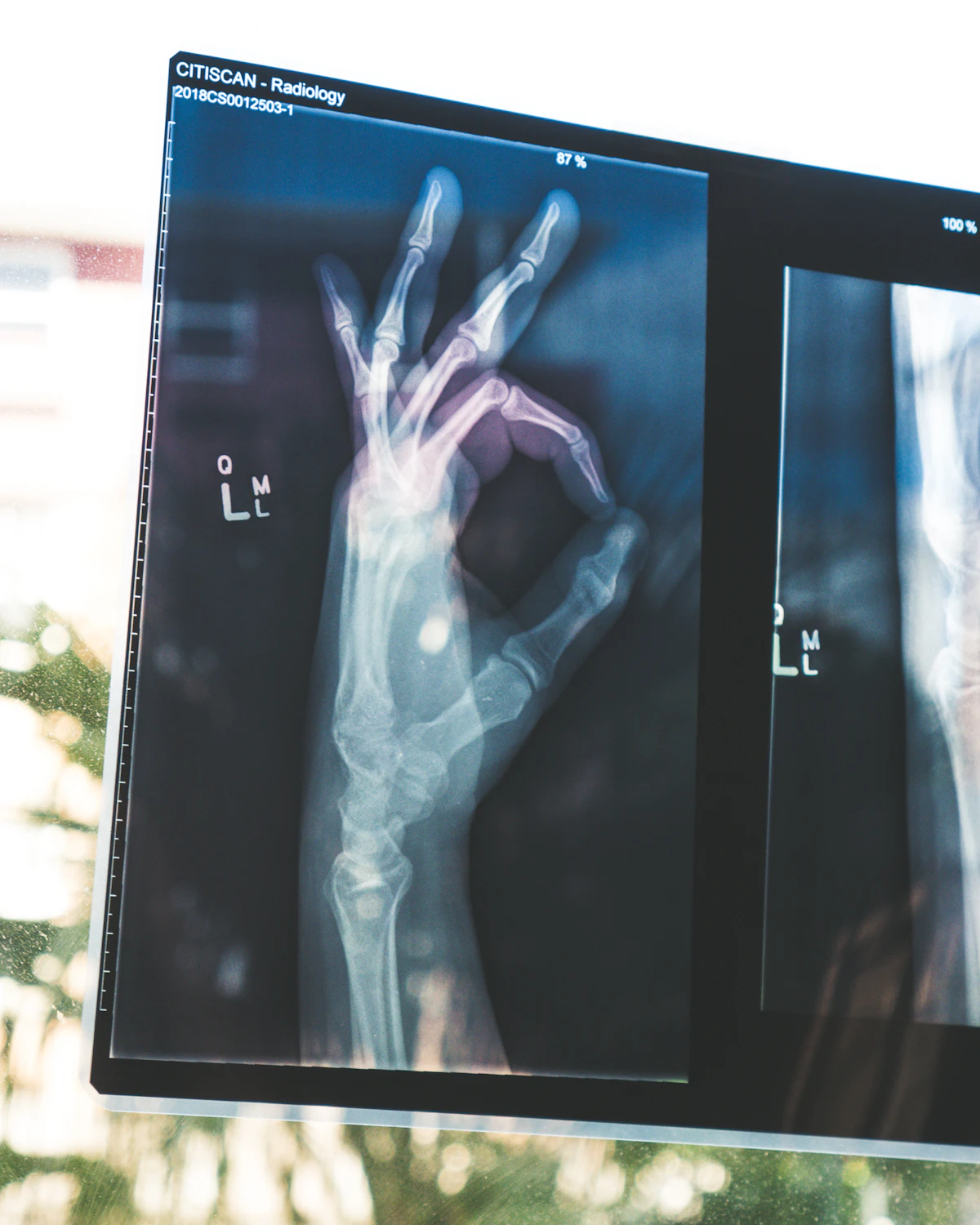
Not Every Joint Needs Stem Cells.
Regenerative medicine isn't one-size-fits-all. For patients with serious cartilage loss, complex joint damage, or stubborn injuries, stem cell therapy is the most powerful tool in the toolkit — and the price reflects that. But for milder degeneration, ligament laxity, or chronic strain patterns, a less intense intervention can produce excellent results at a much lower price point. That's where prolotherapy and prolozone fit.
Both therapies work by triggering a controlled, localized healing response. Prolotherapy injects a dextrose solution (often combined with anesthetic and supportive nutrients) into damaged ligaments, tendons, or joint capsules — creating a mild controlled inflammation that signals the body to repair the tissue. Prolozone takes the same principle further by adding medical-grade ozone into the injection. Ozone has documented effects on tissue oxygenation, cellular metabolism, and infection — making prolozone a more comprehensive intervention than dextrose alone.
Both are administered as a series of injections over several weeks. They're not one-and-done procedures — but the cumulative effect on tissue strength, ligament integrity, and joint stability can be substantial for the right patient.
Dextrose-Based Injection
Concentrated dextrose solution injected at ligament attachment points, tendon insertions, or joint capsules. Creates a controlled inflammatory cascade that signals the body to lay down stronger collagen and tissue at the treatment site.
Long clinical track record — prolotherapy has been used in medical practice since the 1950s with substantial documented use for ligament laxity, chronic tendinopathy, and joint instability. The most economical regenerative option.
Prolotherapy Plus Ozone
Same dextrose foundation, with the addition of medical-grade ozone (O₃). Ozone supports tissue oxygenation, modulates inflammation, has antimicrobial properties, and appears to enhance the regenerative response compared to prolotherapy alone.
The middle-ground option between prolotherapy and stem cell therapy — more comprehensive than dextrose alone, more affordable than stem cell. Often the right intervention for joint pain that's beyond what physical therapy can resolve but doesn't yet require stem cells.
The Right Tool for the Right Stage.
Prolotherapy and prolozone aren't appropriate for every case. Dr. Dubroff matches the tool to the situation. These are the patterns where these therapies tend to produce the best results.
Ligament Laxity & Instability
Patients with joints that feel "loose," recurrent sprains, sacroiliac instability, or chronic positional pain driven by ligament weakness. Prolotherapy was originally developed for exactly this presentation, and the results in well-selected patients tend to be excellent.
Chronic Tendinopathy
Tennis elbow, golfer's elbow, patellar tendinitis, Achilles tendinopathy that haven't fully resolved with PT and rest. Series-based prolozone protocols often produce meaningful improvement where conservative care has plateaued.
Mild-to-Moderate Joint Degeneration
Early-to-mid stage osteoarthritis — where there's discomfort and some imaging changes, but the joint isn't bone-on-bone yet. Prolozone is often a strong choice at this stage, often before considering stem cell therapy.
Low Back & Pelvic Pain
SI joint dysfunction, chronic low back pain related to ligamentous laxity, pelvic instability post-pregnancy, or sacroiliac patterns that haven't responded to conservative care. These respond particularly well to series-based prolotherapy.
Adjunct to Stem Cell Therapy
For patients pursuing stem cell injections in one joint, prolozone is often used in other joints or supporting tissues — extending the regenerative care across the broader musculoskeletal system at a more accessible price point.
Athletes With Chronic Strain
Active patients with recurring soft-tissue injuries — chronic hamstring strain, patellar issues, persistent ankle weakness after multiple sprains. Series-based prolotherapy or prolozone can strengthen tissue and reduce recurrence.
Prolotherapy & Prolozone FAQs
Real Regenerative Care — at Real-World Pricing.
Book a free consultation. Dr. Dubroff will tell you whether prolotherapy, prolozone, or another regenerative option is the right fit for your case.